
SUV: This is what the abbreviation means
The abbreviation SUV stands for Sport Utility Vehicle. Correctly, it is therefore also called "the SUV" and not "the SUV". The Duden allows both, i.e. both the neuter and the masculine spelling. Almost one in three new cars in Germany in 2020 was an SUV. What exactly is a "sports utility vehicle", how does it differ from an off-road vehicle – and why do car manufacturers also speak of a "crossover"?
SUV: Definition
As the English name behind the abbreviation suggests, SUVs have their origins in the US market. There, the Jeep Cherokee from 1984 is considered the first SUV. What distinguished it at the time was the appearance of an off-road vehicle, with greater driving comfort and better space. Today, SUVs are more robust-looking hybrid forms of a van and a robust off-roader. They are popular above all because of their higher entry and good all-round visibility. The higher ground clearance ensures greater robustness in everyday life. Unlike off-road vehicles, there is no exact definition for SUVs. Therefore, a clear distinction is not always possible (see below).
Why are SUVs so popular?
SUVs have practical advantages over similarly sized classic body shapes. First of all, they offer a comfortable entry due to the higher seating position. Drivers and passengers don't have to sink as deep into it when boarding as they do in a small car or sedan. Another advantage of the elevated seating position is the better view of the surrounding traffic as well as the better all-round view – if the body shape allows it. In addition, most SUVs offer a good amount of space compared to their length: In the higher cabin, the passengers sit more upright, which allows more room at the knees and head. In addition, there is often a variable trunk. Large SUVs sometimes also offer a third row of seats.
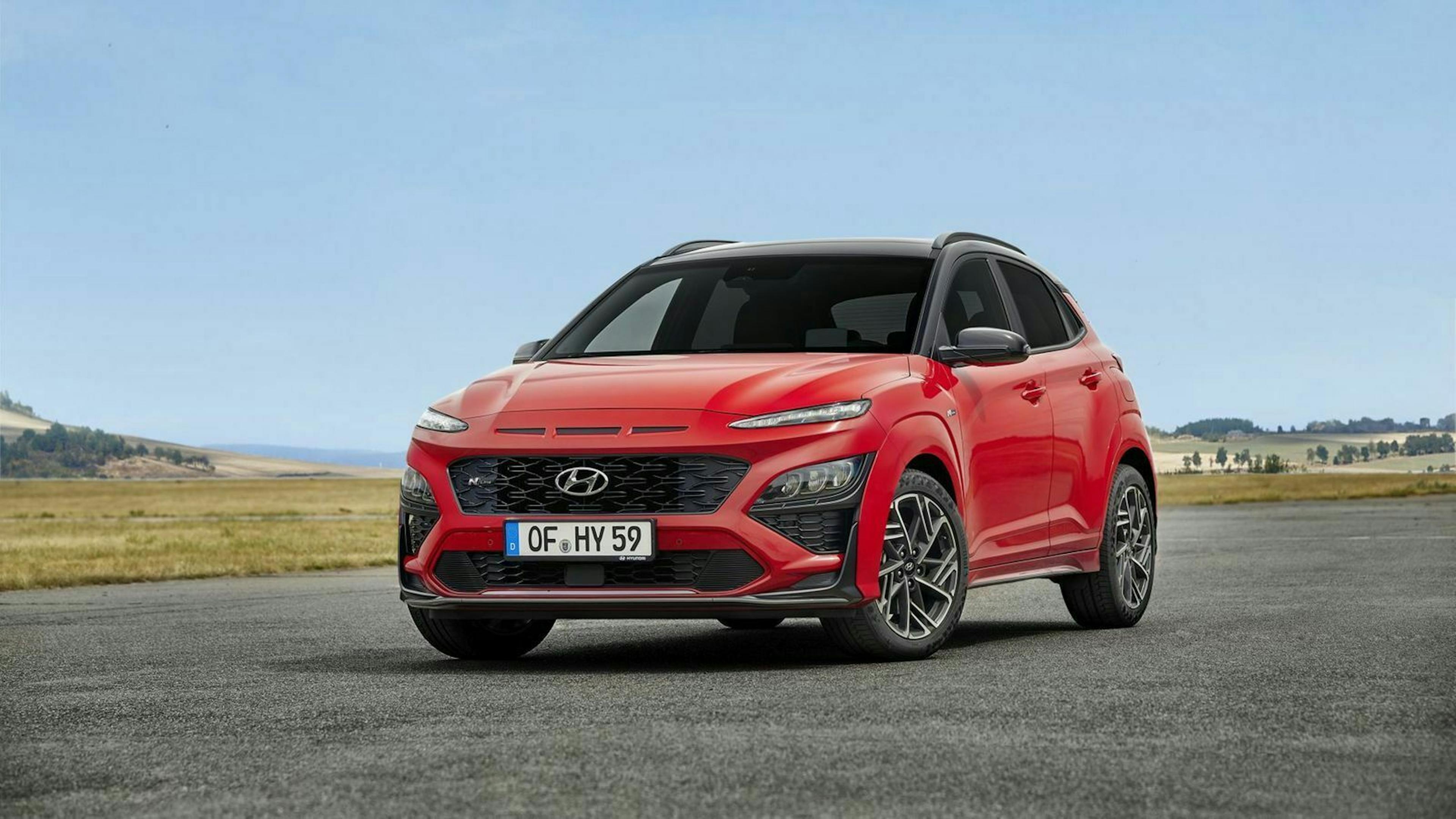
However, SUVs share most of these strengths with classic vans. On the other hand, when it comes to lifestyle and the subjective feeling of security, they cannot keep up. The fact that SUVs primarily underline an attitude to life is shown by the young trend of SUV coupés. Models such as the BMW X4 and X6 or the Mercedes GLE Coupé X6 convey more dynamism and elegance with their coupé-like roofline, at the expense of space.
Strengths and weaknesses: SUVs and vans in comparison
SUV: Criticism and disadvantages
SUVs also have disadvantages: Compared to comparable conventional cars, their bodies are larger and heavier. In addition, there is a larger frontal area. This results in higher fuel consumption. As figures from the German Federal Motor Transport Authority (KBA) show, the average CO2 emissions of all newly registered SUVs and off-road vehicles in 2019 were 143 g/km, measured in the NEDC cycle. The average speed of all passenger cars is 132 g/km. In addition, SUVs occupy more road and parking space: The floor area of a Mercedes GLE, for example, is 9.9 square meters. The sedan counterpart Mercedes E-Class requires almost one square meter less space at 8.95 square meters.
Tragic accidents involving SUVs are repeatedly picked up in the media. However, the accident statistics do not show that SUVs are more often involved in accidents or that accidents involving SUVs have more fatal consequences. Nevertheless, the SUV is used in the political debate as a symbol of criticism of car traffic as a whole and in some cases even calls for a ban.
However, the continuing increase in registration figures indicates that SUVs will not disappear anytime soon. The increasing number of smaller SUVs such as the Suzuki Ignis or VW T-Cross is also continuously reducing their average fuel consumption. Hybrid and electric models have long been available – not only in the luxury class, where models such as the Tesla Model X or the Audi E-Tron are waiting for customers. So it depends on which SUV is on the doorstep – if it is to be one.
SUV and off-road vehicle: This is the difference
The Federal Motor Transport Authority, which divides passenger car models into segments as part of the type approval, lists the following off-road capability criteria for off-road vehicles:
- Ground clearance at least 180 mm below and 200 mm between axles
- Angle of departure at least 25° at the front, 20° at the rear
- Ramp angle at least 20°
- Gradeability at least 30 %
- All-wheel drive available
- If necessary, other off-road technology such as limited-slip differentials and reduction gearboxes available
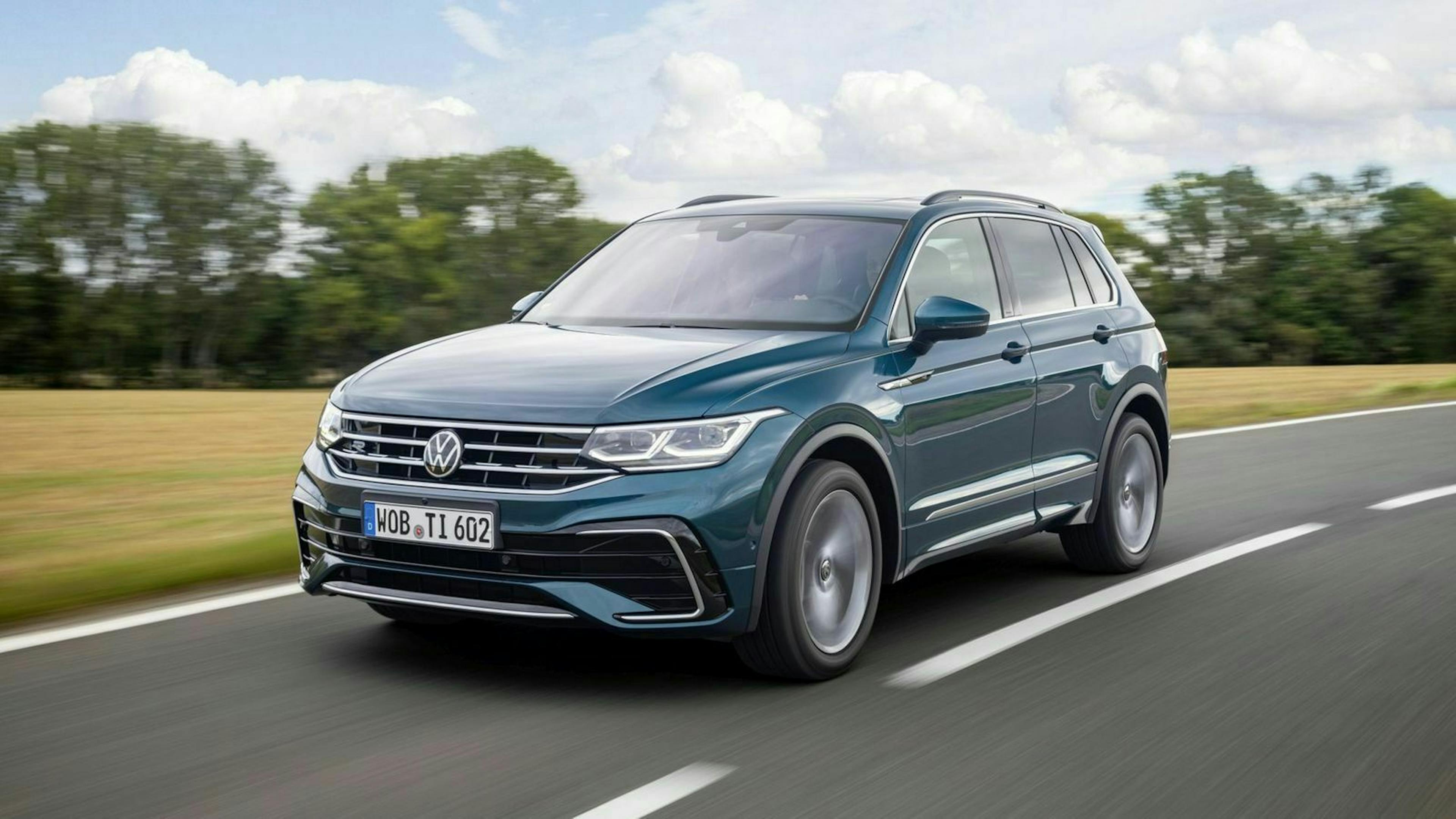
SUVs do not have to meet these criteria. Although they have increased ground clearance and a characteristic body shape, they are not necessarily intended for off-road use. Larger SUVs can be delivered with all-wheel drive. However, customers mainly choose the cheaper and more economical versions without all-wheel drive. In SUVs based on small cars such as the VW T-Cross or the Ford Puma, all-wheel drive is usually not offered.
In practice, not even the Federal Motor Transport Authority can clearly distinguish between SUVs and off-road vehicles. Only since 2015 have the two vehicle categories been shown separately from each other. Until then, all off-road-like cars were listed as off-road vehicles. Today, although many models on the market are formally off-road vehicles, they are aimed at the same audience as SUVs. For example, the KBA lists the BMW X1 as an SUV, but the BMW X3 as an off-road vehicle. VW Tiguan or Audi Q3 are also officially considered off-road vehicles. When asked, the KBA says that there are no "binding sizes for the definition of an SUV". The segment is primarily statistical in character anyway. This overview shows how blurred the dividing line is in practice.\
Overview: Successful SUVs and off-road vehicles
| The 10 best-selling SUVs in Germany 2020 | The 10 best-selling off-road vehicles in Germany 2020 |
|---|---|
| VW T-Roc | VW Tiguan |
| Mercedes GLC | Audi Q3 |
| Hyundai Kona | BMW X3 |
| BMW X1 | Skoda Kodiaq |
| VW T-Cross | Audi Q5 |
| Seat Ateca | Mercedes ML-Class/GLE |
| Skoda Karoq | Volvo XC60 |
| Ford Kuga | BMW X5 |
| Renault Captur | Volvo XC40 |
| Skoda Kamiq | VW Touareg |
Originally, SUVs were primarily aimed at customers who need large and powerful cars. When Toyota brought the RAV4 to Germany in 1994 as the first SUV, the reactions to the three-door were still modest. When the five-door followed a year later, this changed abruptly. But it's not foresters or farmers who want the all-wheel-drive vehicle, but city dwellers. The first SUV is more of a lifestyle than a commercial vehicle.
Manufacturers now offer more than 100 different models in the SUV and off-road vehicle segments. The offer ranges from the Dacia Duster from 11,609 euros to luxury models such as Lamborghini Urus or Rolls-Royce Cullinan (from 320,000 euros).
What are crossovers?
Manufacturers often refer to their SUV models as "crossovers". Literally translated, it means "crossroads". This refers to a mix of characteristics of different vehicle types, such as the increased ground clearance and the steep forehead of an off-road vehicle with the space of a station wagon and the handling of a sedan. Therefore, the term is often used synonymously with "SUV", especially in marketing. Sometimes it also refers to a vehicle that looks like an SUV, but technically has nothing in common with an off-road vehicle – because, for example, all-wheel drive is not available. One of the first models of this kind is the Renault Captur in 2013. In 2017, Opel refers to the Crossland as a "CUV" (Crossover Utility Vehicle). Although the model is visually based on SUVs, the space concept is more like a minivan.
Overview: The best SUVs
The best SUVs up to 10,000 euros
The best SUVs up to 20,000 euros
You might also be interested in
Posting Komentar untuk "SUV: This is what the abbreviation means"