
Finding the right wood for furniture construction
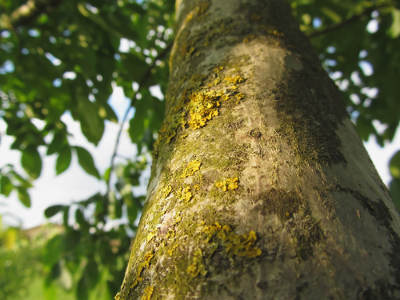
Which wood to choose for furniture construction?
Traditionally, the range of solid wood in Germany is based on native tree species. Today, you can be largely sure that wood for furniture construction comes from sustainable forestry and that a new tree is planted for every tree felled. When buying, look for environmental certificates from the Forest Stewardship Council (FSC) or the Programme for Endorsement of Forest Certification Scheme (PEFC) as proof of origin from sustainable farms.
The best-known native trees that provide wood for furniture making are listed alphabetically:
- Maple
- Birch
- Beech
- Oak
- Alder
- Ash
- Spruce
- Cherry tree
- Larch
- Walnut
Solid robust wood for building furniture is provided by deciduous trees such as beech and oak. Like no other tree, oak stands for longevity, a characteristic that also distinguishes furniture made of oak wood. A solid oak cabinet is definitely a cabinet for eternity.
Beech wood is very often used for furniture. Beech is also very hard, but at the same time more elastic than oak. Durable beech wood is a good choice if you want to build beds yourself or a closet that you use every day. Be careful when choosing beech wood: As with any other tree, the core of the beech tree that is still alive can have discoloration. These are later noticeable through unusual plays of colour in the wood. You can use such a magnificently colored piece of wood as a decorative tabletop if you build a table yourself.
Very stable, but also high-priced, is the wood of the maple tree, which, thanks to its light colour, is often used as a veneer for elaborate decors. Maple also wears out very slowly, so this wood is also a good choice for heavily used table tops and other everyday furniture.
Larch wood is considered to be particularly hard coniferous wood. However, it can also re-resinate after a long time, especially at high temperatures - for example, if you turn on the heating in winter. This means that resin forms in the wood again, which leads to unsightly deformations and can even be toxic if it comes into direct contact. Therefore, it is best to choose larch wood only for rooms with consistently low temperatures, for example for shelves or chests of drawers in pantries and hallways.
Walnut for particularly high demands
A particularly noble wood for furniture construction comes from walnut trees. Walnut wood is also used, for example, for pianos, pianos and other musical instruments, as well as for fine panelling. If you are willing to dig deep into your pocket, you can of course also use walnut wood to make your own furniture.
Cherry wood, which is characterized by its warm red tones, is similarly expensive. It had its heyday in the Art Nouveau style of the early 20th century; today it is experiencing a revival. Use this wood for furniture construction if you want to build beautiful cabinets, chests of drawers or solid bookshelves and the price is not an issue. Cherry trees are usually not grown to produce wood, but to harvest the fruit. Only when a cherry tree hardly yields any fruit is it felled.
The best-known types of wood for furniture making
Birch and spruce wood are very widespread, which can be worked with excellently. Both woods are very light and vary in color from almost white to yellowish. This is an important reason for many people to buy today, as light furniture also makes the rooms look brighter. Spruce and birch wood are ideal for lighter furniture. Use it, for example, if you want to build shelves or a light table with chairs.
One of the inexpensive woods is pine wood, which is particularly easy to work with. Choose pine wood if you are planning carving or turning work, for example for chair legs, the head of the bed or for carved rustic shutters. In general, pine wood is a reliable all-rounder and always a good choice as wood for furniture construction.
Unusual types of wood in Germany
Among the "exotics", which are now also quite widespread in Germany, are bamboo, olive tree and teak. Teak wood comes from the tropical rainforests of Asia and is now also grown in South America and Africa. It is similarly robust as oak, weather-resistant and hardly susceptible to pests. These positive properties have led to an enormous demand for teak wood, which in turn has led to the clearing of huge areas of forest. If you want to use teak, be sure to look for the FSC seal when buying. This way you can be sure that your wood does not come from illegal clearing.
Bamboo is far more environmentally friendly, as it develops from thin cane to solid wood within a few years and grows back correspondingly quickly. Bamboo is exceptionally light and even surpasses oak in its hardness. You can't go wrong with bamboo when choosing wood.
From the Mediterranean, the olive tree (or olive tree) has now also made it to the north, although the olive tree wood offered today mostly comes from Africa. Olive tree wood impresses with its striking, beautiful grain and is often used for decorative items such as wooden bowls. Large wooden boards are rather rare to find and correspondingly expensive, but you may want to conjure up a decorative small side table or stool from olive tree wood.
In addition, there are many other types of wood, not all of which can be listed. Anyone who grew up with the fairy tales of the Brothers Grimm knows, for example, the black ebony that Snow White's hair resembled. Today, ebony is used almost exclusively for expensive musical instruments and inlays. The very robust mahogany is now often used for garden furniture as well as for the construction of boats and yachts. Similar to teak, care should also be taken with mahogany that the wood comes from plantations and not from illegal clearing.
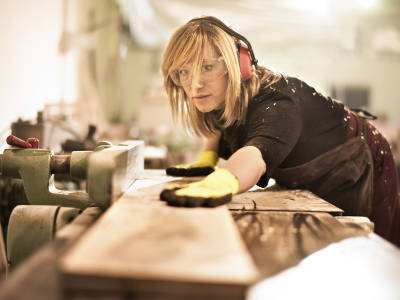
Which wood for which rooms?
Which wood you choose to build furniture ultimately depends on your own taste and budget. Many people prefer light wood such as pine, spruce and birch, which goes well with a modern cozy interior. Fine dark woods such as oak, beech, walnut and cherry are more suitable for rustically furnished rooms with heavy leather or upholstered furniture.
When choosing wood, pay attention to the differences between hardwood and softwood. Cheaper woods such as birch, alder, spruce, pine and pine are among the softwoods that are not as robust as hardwoods. These include beech, oak, maple, walnut and cherry. For example, if you want to build a children's loft bed for the offspring, on which they can romp around wildly every day, you should choose a hardwood species that can easily withstand this load. Even if you put a lot of effort into a beautiful bookcase that will house your precious book collection for many years, hardwood is preferable.
Weather-resistant types of wood
When choosing wood for furniture construction, it also depends on what plans you have. Wooden furniture that is well protected from wind and weather in the living room or bedroom does not have to be as robust as wooden furniture that can be found on the balcony or terrace. A good choice for outdoor use is oak wood: oak is robust, weather-resistant and durable. Other good types of wood for outdoor use include teak and the closely related tropical woods Douglas fir and Bangkirai. The Australian eucalyptus tree and the American robinia also provide very robust woods for weather-resistant furniture. They are also very resistant to mold and insects.
If you want to use inexpensive softwoods such as pine or spruce for outdoor use, you must first treat the wood with impregnation to protect it from blue stain. This bluish discoloration occurs when blue stain fungi nest in the wood. The blue stain cannot damage the wood, but it does not look very appealing.
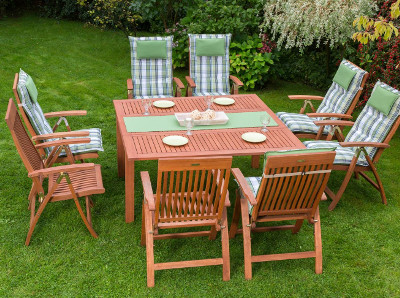
Solid wood, veneer or chipboard: which wood for furniture construction?
If you decide on a certain type of wood for furniture construction, it is usually solid wood. This means that the piece of wood or board of wood has been made from a single type of wood. However, this can be very expensive for very fine woods such as cherry or walnut.
Here you can also opt for real wood veneer. Veneer means that a thin layer of the desired wood has been applied to a backing board made of pressed material. This is practical if, for example, you want to build a cabinet made of real wood or a bed frame. From the outside, only the layer of the noble wood can be seen.
The inexpensive alternative to real wood veneer are wood imitations. Instead of the real wood, a plastic variant is applied to the carrier board. Of course, this does not look as noble as real wood, because it lacks the typical properties such as the natural grain. However, they are usually much easier to care for.
For the carrier boards, you can choose between chipboard, MDF boards (medium-density fiberboard) and multiplex boards. Particleboard consists of glued wood chips and is generally not very resilient. In damp rooms, they can also swell. MDF boards consist of wood fibers that have been pressed into glue; they are more stable than chipboard. Multiplex panels, on the other hand, consist of pressed veneer strips and are the most resilient. Nevertheless, all these variants cannot keep up with solid wood. Use panels for the invisible back walls of cabinets or as simple shelves.
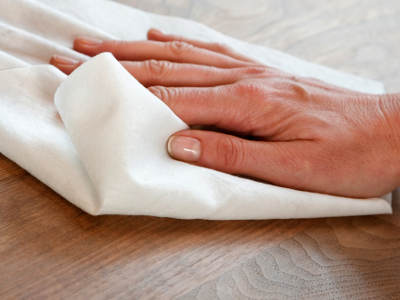
The best care for your wooden furniture
If you buy wood for building furniture, you should also buy the right wood care products, because even the most robust wood requires careful care. During the weekly house cleaning, keep in mind that unpainted wood should not be wiped with a damp cleaning cloth. Use a dry duster. Every now and then, give your wooden furniture a thorough cleaning, first wiping the surface with a damp, lint-free cloth and then wiping directly with a dry cloth.
The ever-popular furniture polishes, on the other hand, should only be used sparingly: they form a film on the surface, which in turn attracts dust. It is better to treat your wood to a treatment with nourishing wood oil from time to time: The oil penetrates deep into the wood and forms a resistant protective shield.
Posting Komentar untuk "Finding the right wood for furniture construction"